
Every year, it's the same old story. A faster processor, a few extra megapixels, even smarter artificial intelligence… And the same familiar marketing message telling us why the device we already own is supposedly outdated. Except it still works perfectly well. What if the next technological revolution were simply about stopping the replacement of products that could last much longer?

For years, the tech industry has made performance its main selling point. But today, for many everyday uses, processing power is no longer the real issue. What matters is how long a device will remain usable. A worn-out battery, a broken screen, discontinued software updates or an impossible-to-find spare part can turn a perfectly functional product into electronic waste. Hardly what you'd call progress!
Europe is already starting to change the rules. Since June 2025, new requirements have been in place to improve the durability of smartphones and tablets. European right-to-repair legislation has also reached another milestone this year, bringing additional obligations for the manufacturers concerned. The goal? To make repairability, access to spare parts and product lifespan genuine purchasing criteria. But making a device repairable is not enough if repairing it costs almost as much as replacing it. Just as promising seven years of software updates means very little if the hardware cannot last that long…
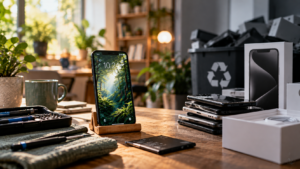
So yes, refurbished devices are gaining ground, replaceable batteries are back in the conversation, and durability is beginning to challenge the relentless pursuit of performance. But the real shift will be cultural. Perhaps it's time to stop asking how much faster a new smartphone is than the previous one and start asking how many more years it will serve us. Because the best innovation may not be the one that makes us want to buy a new device, but the one that gives us a good reason to keep the old one!